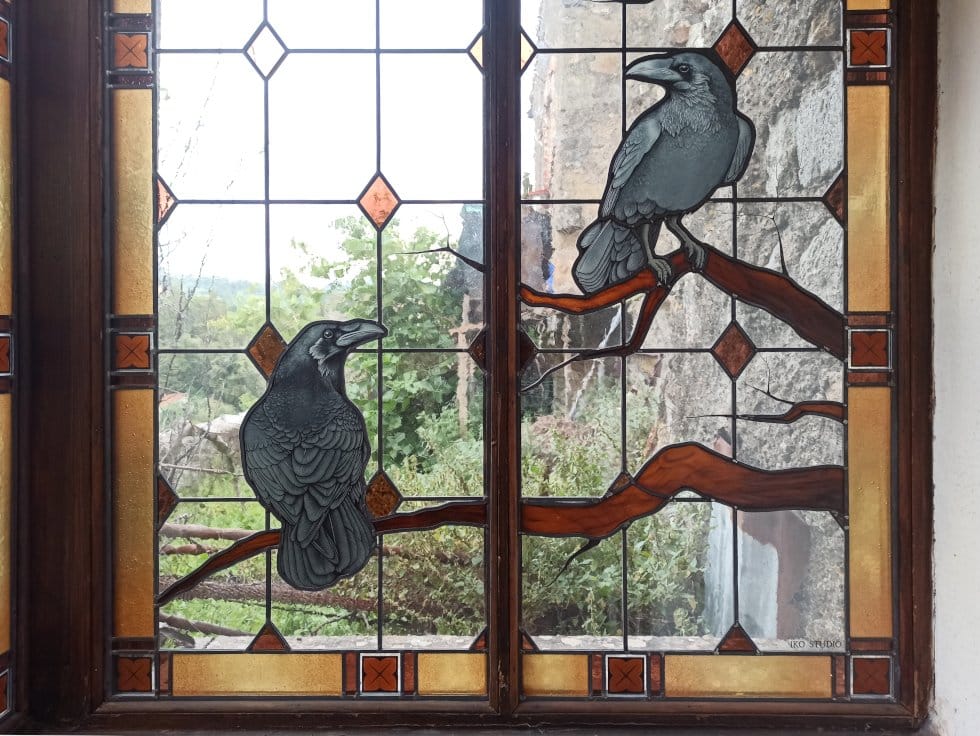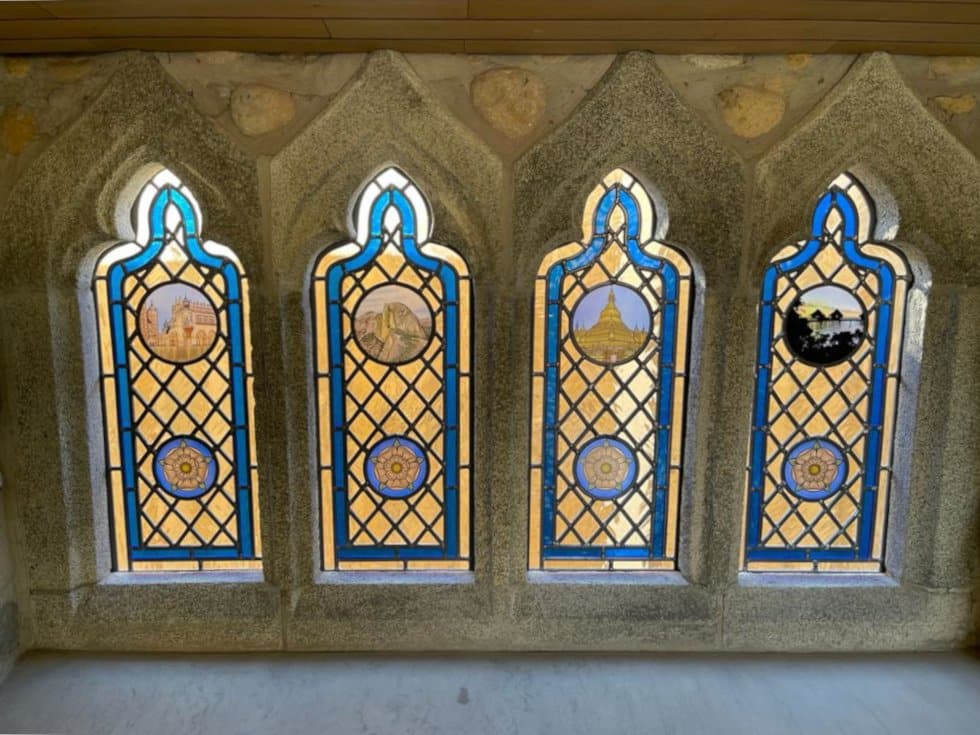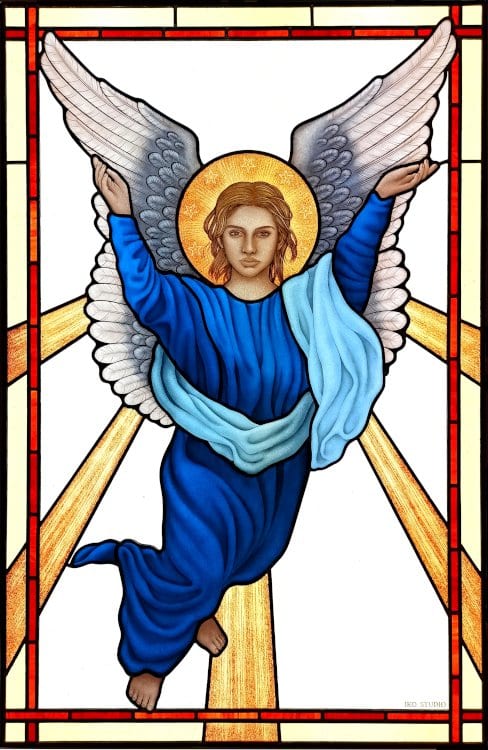
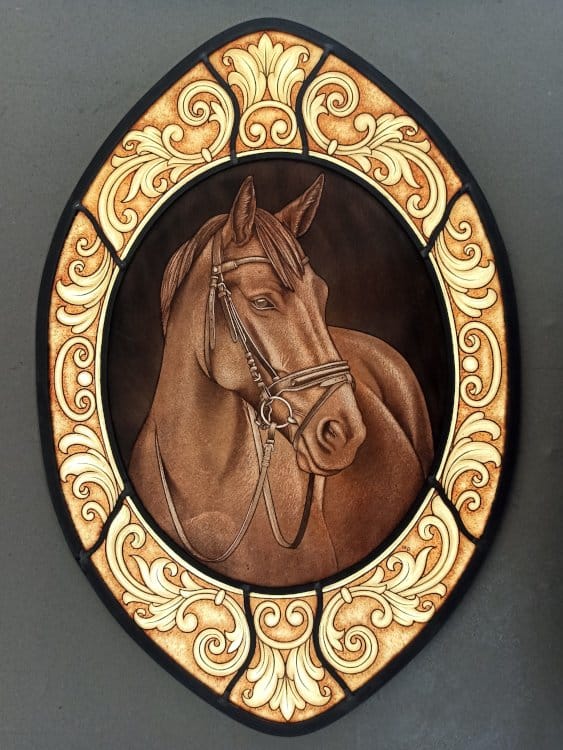
EXPERIENCE: I have worked for many years as a stained glass artist in prestigious and diverse studios in England; working on prestigious, high profile projects, commissions and restorations at an international level.

PASSION: I have a profound passion for stained glass and care deeply about the presentation of my work. I like to enthuse my students with the passion and belief I have in this craft.

QUALITY: create unique pieces from original designs with a high standard of workmanship and I use premium quality materials


THE TECHNIQUE

DESIGN

 The designs are hand-drawn to scale and painted with water colours togive an indication of the colour pallet to be used. Alternatively, theycan be created from photographic media which are particularly usefulfor portraits created in stained glass.


CUT-LINES

 Next the design isenlarged to the actual size and cut lines are added on tracing paper.The cut lines are placed wherever there is a change in the glass colouror where, for technical reasons, they are required. The thickness of acut line is about a millimetre reflecting the actual size of the leadused.


GLASS-CUTTING

taglio_del_vetro.jpg
 During this phase glass is chosen which will bestcompliment the design. We source our glass from Italy and England anduse handmade, mouth-blown glass wherever possible. The glass is cut toshape along the cut lines according to the design


GLASS PAINTING

orchidea.jpg
pittura.jpg
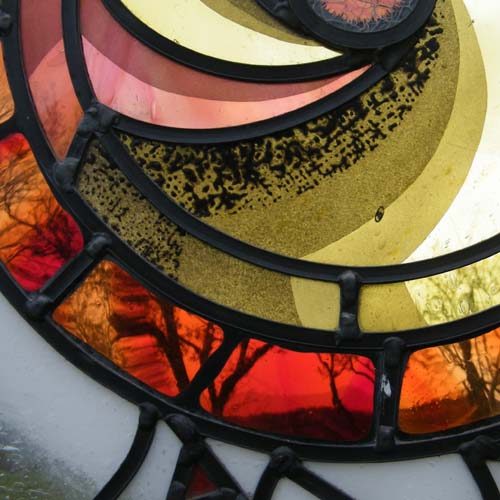
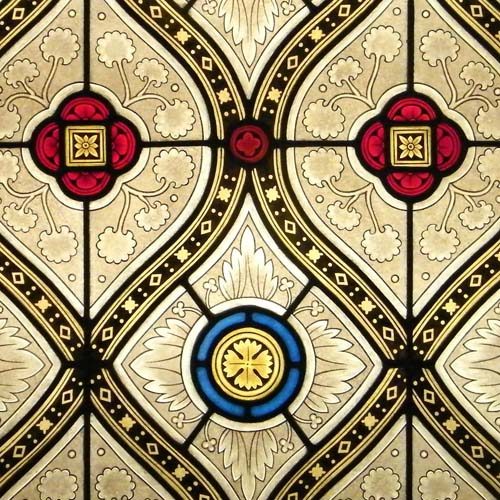
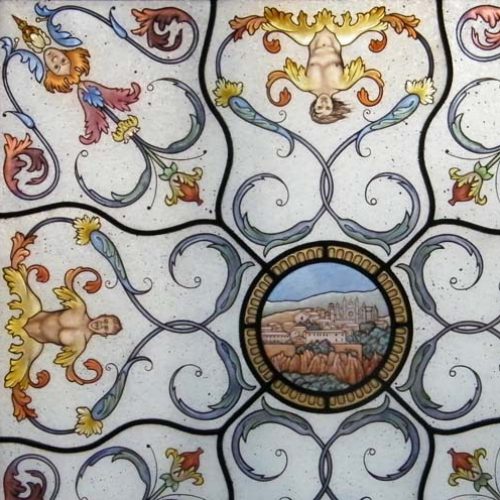
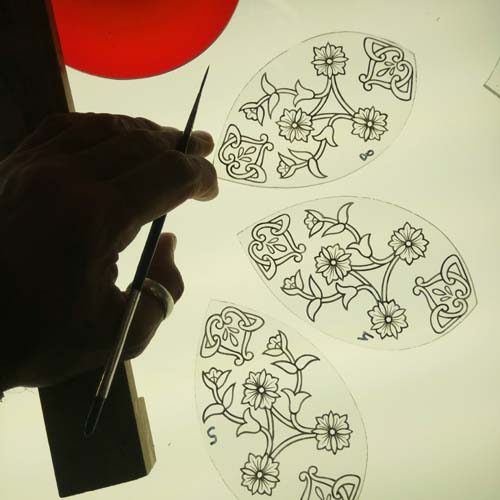
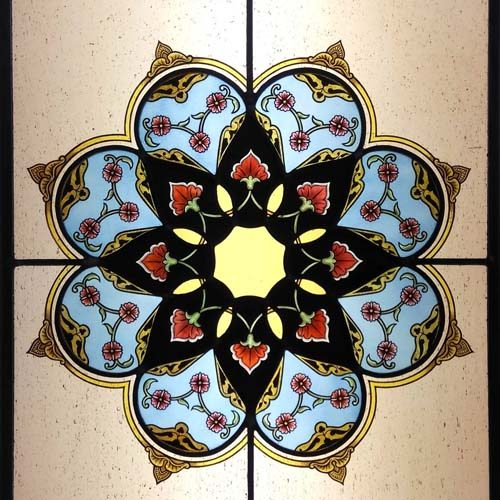
 This phase is, without doubt, the longest and mostcomplex part of the project. The glass is painted with a special darkglass paint and fired in a kiln at a temperature of approximate 650°C.The lines and shadows are applied in different phases, thus building upthe design. Unlike painting on other media where paint is added toachieve an effect, in glass painting the effects are often achieved byadding a wash of paint over the entire glass and then removing paint toachieve the required results. The painting is done over an illuminatedlight table.  Each piece of glass can be fired many times as differentlayers of shade are added as well as coloured enamels, each of whichhave a specific melting point and so must be added in a particularorder. Certain effects are achieved by acid-etching or sandblastingindividual pieces of glass.


LEADING

piombatura.jpg
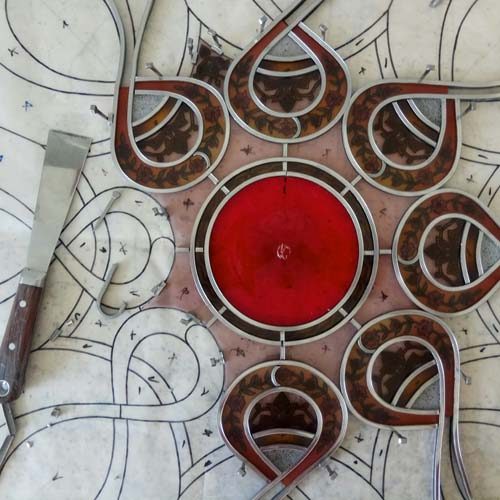
The glass mosaic then put together using lead canes which have an "I" shaped cross-section allowing two pieces of glass to be slotted in on either side of the lead. The canes are skillfully cut, shaped and soldered together.The canes are available in different thicknesses and are skillfully selected to compliment the design, minimising strong contrasts in sensitive areas of the design whilst still maintaining a robust structure.


CEMENTING AND FINISHING

stuccatura.jpg
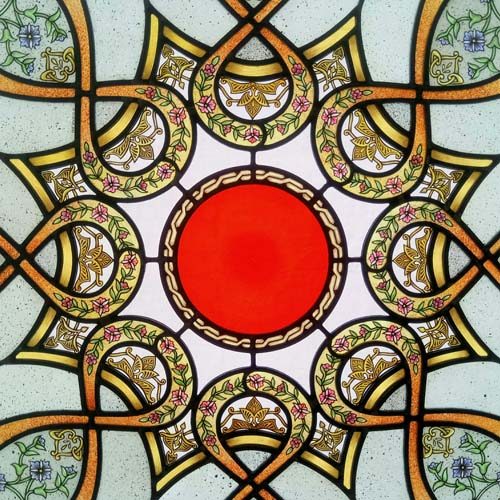
A special putty is applied on the stained glass with the purpose of filling the tiny gaps between the lead canes and the glass. This makes the panel resistant and weather-proof. The stained glass is then carefully cleaned and polished to darken the lead and make it shiny. A well cemented stained glass panel maintains its strong and weather resistance for over 100 years, after which it can be re-leaded and re-cemented extending its life indefinitely.


divisore